
Beyond Process: The Human Side of Food Business
Most conversations about scaling a food business start with the technical: equipment, processes, food safety, supply chains. All essential. But ask anyone who has actually built or grown a company, and they'll tell you the harder challenges usually live somewhere else, in how teams are structured, how leaders make decisions, how culture holds together as a business expands.
That's the territory Katrina Blackwell knows well. And it's the territory she's been helping food businesses across Africa navigate.
"I was initially inspired to volunteer with PFS because I'm a values-driven person," she says. "I've always believed that the work I do should connect to something bigger something that helps enrich the lives of others."
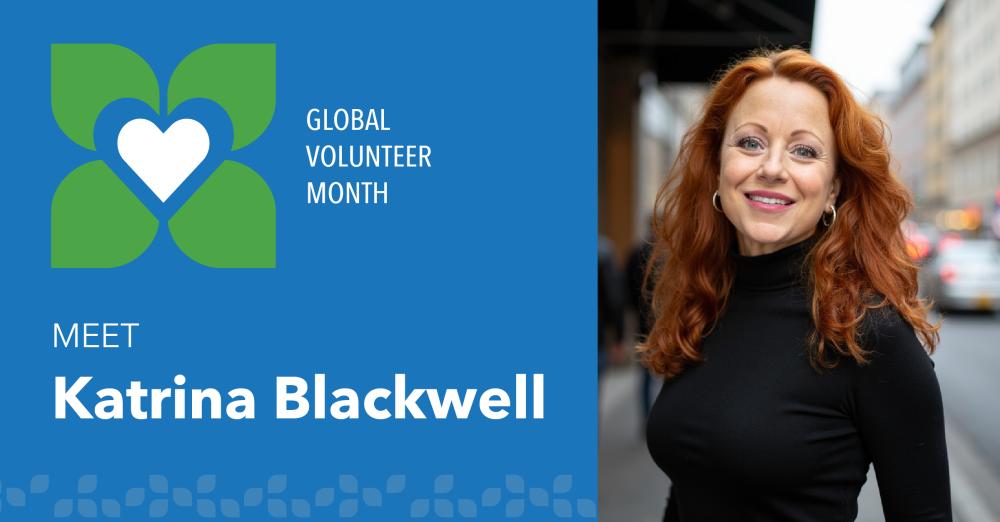
Based in Tennessee and serving as Organizational Change Manager at Ardent Mills, Katrina brings expertise that doesn't always show up in technical project briefs but matters profoundly to the businesses PFS supports, the human side of growth. Helping organizations adapt. Helping leaders make decisions. Helping teams move forward together.
It's the kind of expertise that can be hard to come by, especially for early-stage food entrepreneurs navigating fast-moving change. And Katrina has put it to use across a range of engagements, supporting Powerfine in Zambia as they rethought their staffing structure, working with Souk Farm to review and implement KPIs that translate strategy into day-to-day performance, and mentoring staff at Umoyo, also in Zambia, on the HR challenges that come with growing a team.
Different projects. Different geographies. The same underlying need: helping food businesses build the people-side foundations to grow well.
But ask Katrina what's stayed with her most through the work, and the answer isn't about frameworks or deliverables. It's about the people on the other side of the screen.
"The individuals and organizations PFS connects us with are incredibly resourceful and dedicated. Working alongside them has been impactful, not just professionally, but personally. They make me want to be a better person, a more grateful person, and a more giving person."
That two-way exchange, where the volunteer is changed as much as the volunteered-for, is something Katrina has come to value deeply. It's also what keeps her coming back.
"I value the opportunity to share my expertise, but I also appreciate being stretched into areas I might not otherwise experience. It's a genuine growth opportunity for me professionally, and it's deeply rewarding. It feels good to know I'm contributing expertise that may not otherwise be accessible to PFS partners."
And that's true. Because for many of the food businesses PFS supports, access to specialized expertise, change management, organizational design, leadership development, isn't a given. It's often a gap that can quietly slow down growth, no matter how strong the product or the team. Katrina's contributions help close that gap.
What excites Katrina most is the ripple effect. These businesses aren’t just producing food.
"What excites me most about supporting food businesses across Africa is the broader impact. These entrepreneurs aren't just providing food, they're creating jobs, strengthening local economies, and expanding access in communities where opportunities can be limited. Being even a small part of that is something I don't take lightly."
It's a perspective that captures why the PFS model works. Volunteers like Katrina aren't just solving problems, they're investing in the kind of long-term capacity that lifts whole communities.
"PFS acts as an important bridge," she reflects, "between the people who have expertise to offer and the deserving organizations seeking support."
That bridge is built one volunteer at a time. And Katrina, with her conviction and willingness to keep showing up, is helping make it stronger.